

Family-owned businesses have played an important role in building East Africa’s floriculture industry. Many flower farms operating today were established by entrepreneurs and families who invested in land, production facilities, and long-term relationships with international buyers. These businesses continue to play a central role in the sector, and many remain successful under family ownership.
Alongside these traditional ownership structures, private equity funds and other institutional investors have become more active in the floriculture industry. This development has been taking place for several years through acquisitions, consolidation, and investments in existing flower businesses.
Different Ownership Structures, Different Priorities
A change in ownership often brings changes in how a business is managed. Investors may introduce different reporting structures, financial targets, and expectations of the management team. For floriculture professionals, this can also change the skills and experience needed to lead a successful operation.
Family-owned flower farms often have a strong connection between ownership and daily operations. Owners may have spent decades building their businesses and are closely involved in production, commercial relationships, and strategic decisions. This can create continuity, quick decision-making, and a company culture where employees have worked together for many years.
These businesses also have the freedom to make decisions with a long-term perspective. An owner may choose to reinvest profits, maintain a stable operation, or prioritize relationships with employees and customers over short-term financial returns.
Private equity investors generally work with a more defined investment strategy. Their objectives may include improving profitability, expanding production, entering new markets, or preparing the business for a future sale. Financial performance is closely monitored, and management is expected to demonstrate progress against agreed targets.
The difference is not necessarily how professionally a company is run. Many family-owned farms already have excellent management systems and financial controls. However, changes in ownership can introduce new expectations regarding accountability, decision-making, and the pace at which improvements need to be made.
Profitability Today and Competitiveness Tomorrow
Floriculture is a capital-intensive industry with significant exposure to international market developments. Farms depend on reliable logistics, labor availability, energy, fertilizers, and access to international buyers. A company can operate profitably for many years while still having opportunities to improve efficiency or strengthen its financial position.
Recent developments have shown how quickly operating conditions can change. During 2026, the Kenya Flower Council raised concerns about increasing air freight costs and pressure on agricultural inputs. Disruptions to international transport routes and higher fuel prices have affected exporters. Fertilizer and diesel costs can also fluctuate significantly, although the impact differs between countries and regions depending on local supply conditions and logistics.

Demand for flowers is another consideration. Flowers are a discretionary consumer product, and changes in purchasing power in European markets can influence demand and prices. A farm that performs well under favorable market conditions may face difficulties when several costs increase at the same time.
Both family owners and external investors have reasons to prepare their businesses for these developments. Private equity investors may place greater emphasis on measuring operational efficiency and identifying improvements across the organization. This can include better cost control, investments in technology, and clearer responsibilities within management.
For a farm, the objective is not simply to produce more flowers. Improving profitability may also involve reducing waste, improving labor productivity, managing inputs more efficiently, or strengthening commercial relationships.

From Owner-Led Decisions to Management Responsibility
One of the more noticeable changes following an acquisition can be the way responsibilities are divided within the organization.
In an owner-managed business, important decisions may be made directly by the owner or a small senior management team. The owner often has detailed knowledge of the operation and can make decisions based on years of experience. Financial and operational information may be discussed informally because the people involved know the business extremely well.
When external investors become involved, the organization may move towards a more structured management approach. Farm managers and department heads are given clearer responsibilities, budgets, and performance indicators. Regular reporting becomes more important, and management teams are expected to explain financial results and operational developments.
This requires managers who can work with budgets, understand financial reports, and translate performance information into practical decisions. A production manager may need to explain changes in labor productivity or input consumption. A general manager may become responsible for coordinating several departments while reporting to a board or investment team.
For employees who have spent most of their careers in traditional farm management structures, these expectations can require an adjustment. Strong technical knowledge remains essential, but it may no longer be sufficient for every management position.
How Does This Change the Talent Requirements?
The transition towards more structured management often creates a need for additional skills within the existing team. Financial planning, reporting, performance management, and organizational leadership can become more important alongside technical growing experience.
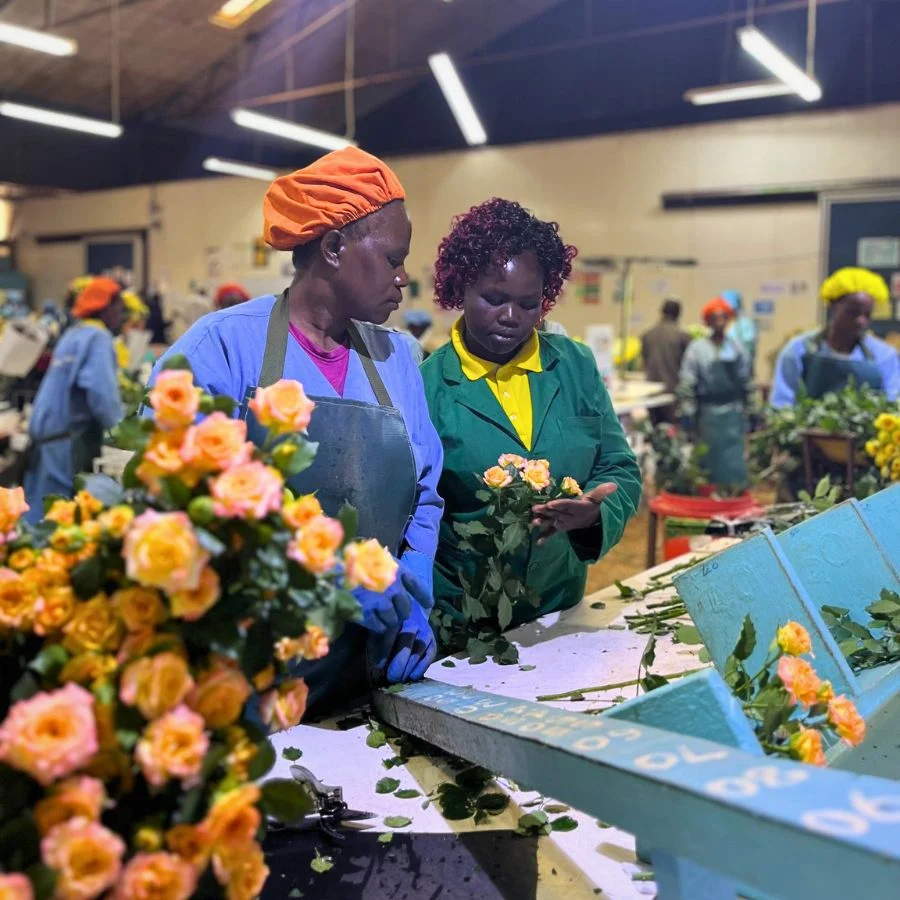
A technically excellent grower may have limited experience in budgeting or managing departmental performance targets. Similarly, a successful farm manager in a family-owned business may need time to adjust to reporting requirements from external shareholders. These differences do not necessarily mean that the existing team needs to be replaced.
Training and internal development can be effective ways to prepare employees for new responsibilities. Existing managers often have valuable crop knowledge and a strong understanding of the workforce. Losing this experience during an ownership transition can create unnecessary operational risks.
In some situations, however, external recruitment is needed to introduce skills that are not sufficiently available within the company. This may involve strengthening senior management or bringing in specialists who have previously worked in businesses with more structured reporting and performance systems.
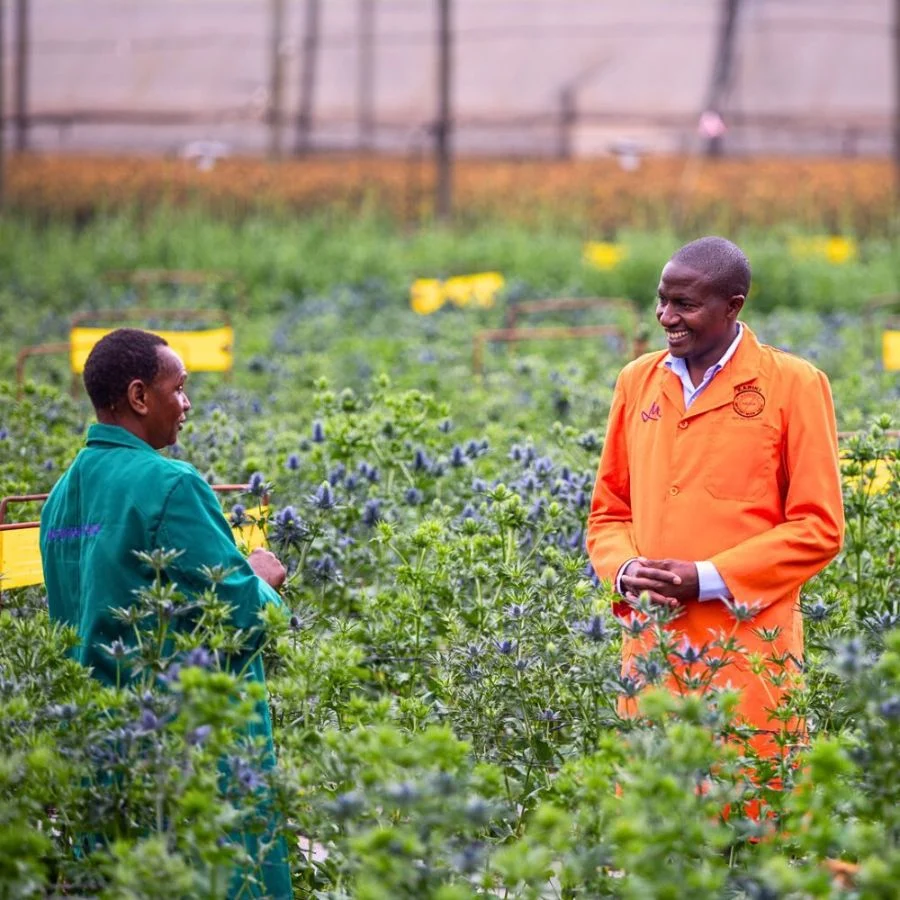
For floriculture companies, these candidates do not always need to come directly from flower production. Cutting producers, vegetable seed companies and other agricultural businesses can have management teams with relevant experience in process optimization, financial reporting and operational efficiency.
The transfer of technical skills between agricultural sectors still needs careful assessment. Managing a vegetable seed production operation is not the same as managing a commercial flower farm. However, candidates with strong management experience in related sectors can bring useful knowledge, particularly when working alongside an experienced floriculture team.
Managing the People Behind the Transition
Changes in ownership can also affect the culture of a business. Employees who have worked for a family-owned farm for many years may be accustomed to direct communication with the owner and a relatively informal management structure. Introducing additional reporting requirements or changing responsibilities can create uncertainty if these changes are not communicated properly.
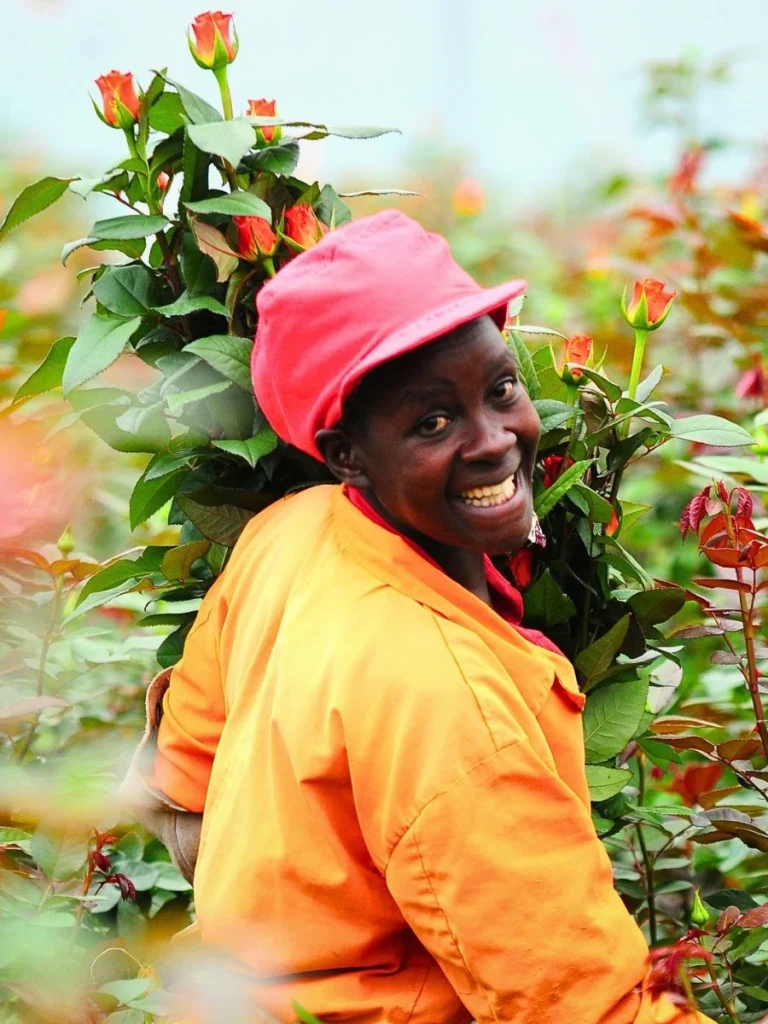
For international investors, understanding the existing company culture is important. Local managers and long-serving employees often have knowledge that cannot easily be replaced. They understand the workforce, production challenges, and relationships with suppliers and customers.
A successful management transition needs to combine this experience with the new expectations of shareholders. Clear communication, realistic targets, and opportunities for employee development can help the existing team adjust.
Retention deserves attention during this process. Experienced employees may be approached by competitors, and a period of organizational change can encourage people to reconsider their position. Keeping strong technical and operational staff while introducing new management capabilities can be more valuable than replacing an entire team.
Recruitment During a Change in Ownership
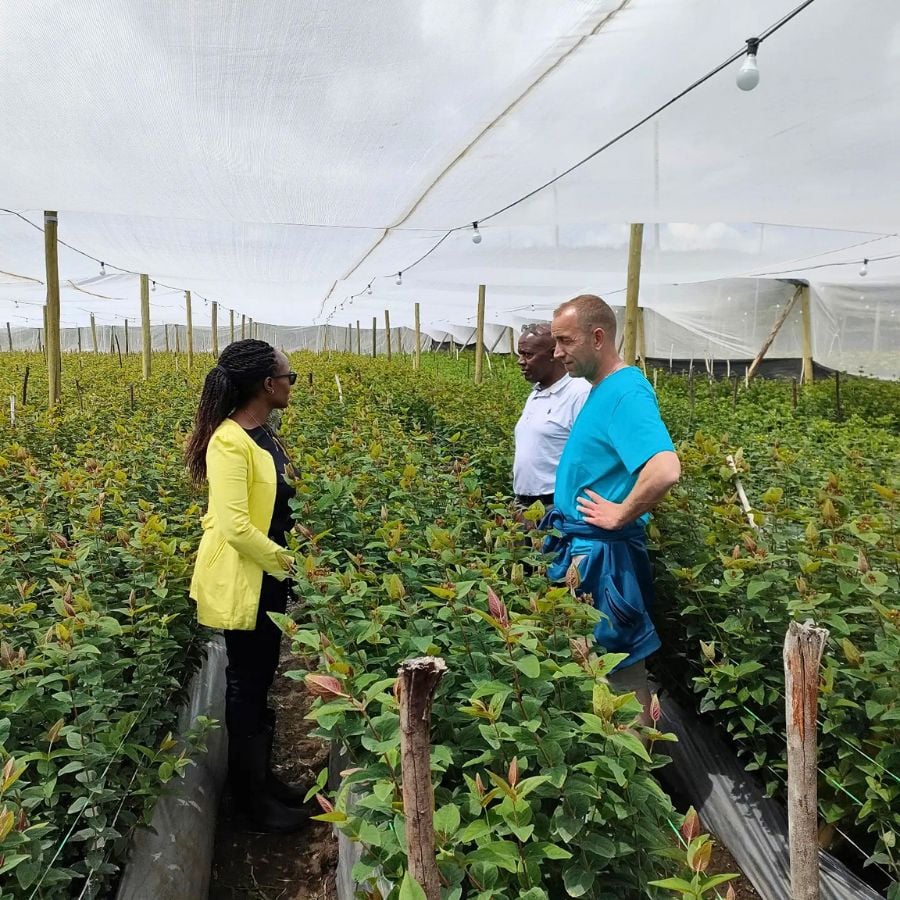
Recruitment requirements can differ considerably between a family-owned flower farm and a company backed by private equity. While both may be looking for a general manager or operations director, the responsibilities and expectations attached to the position may be quite different.
In a family-owned business, long-term commitment, practical involvement, and cultural fit may carry particular weight. An investor-backed company may require someone with experience in structured reporting, financial performance management, and organizational change. Both need people who understand the realities of running an agricultural operation.
At Leopard Recruitment, we work with companies across agriculture and floriculture in East Africa. Through regular contact with farm owners, management teams, and candidates across the region, we see how different ownership structures influence recruitment needs.
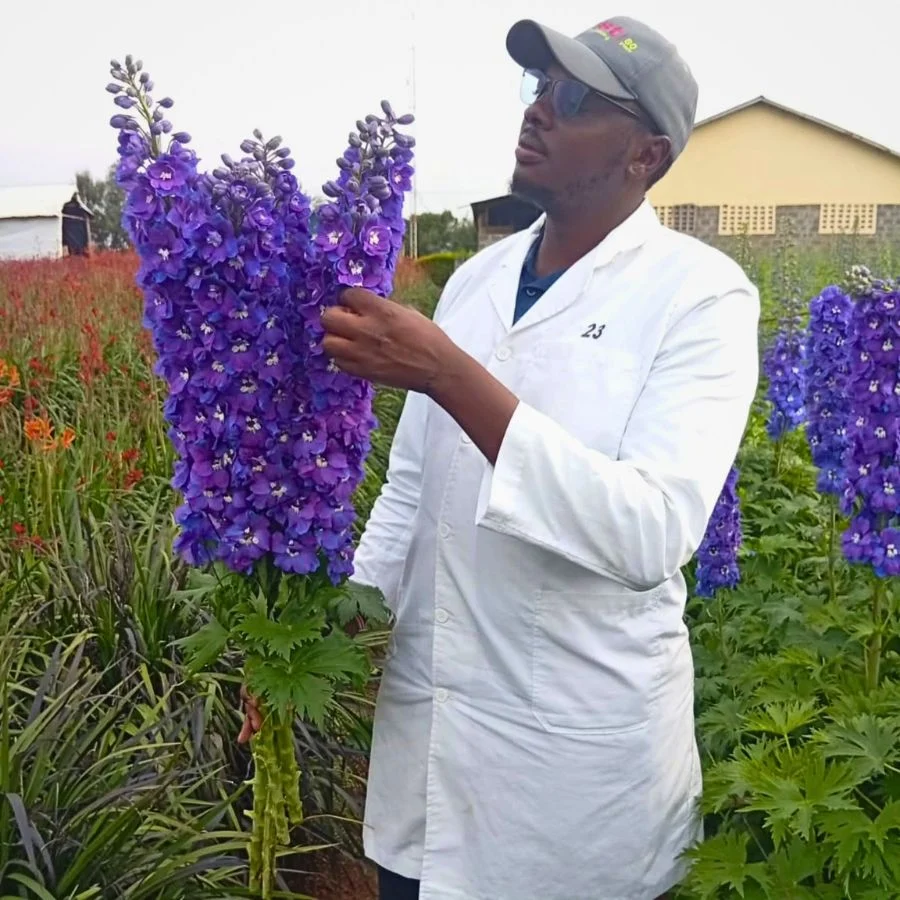
Understanding these differences is an important part of identifying suitable candidates. A strong technical background does not automatically make someone the right manager for an investor-backed organization. Equally, experience in a large corporate business does not guarantee success in a family-owned farm where relationships and practical decision-making are central to daily operations.
Private equity will continue to play a role in the development of East African floriculture, alongside the family-owned businesses that have contributed so much to the industry. As ownership structures evolve, management teams will need to adapt to different expectations and responsibilities.
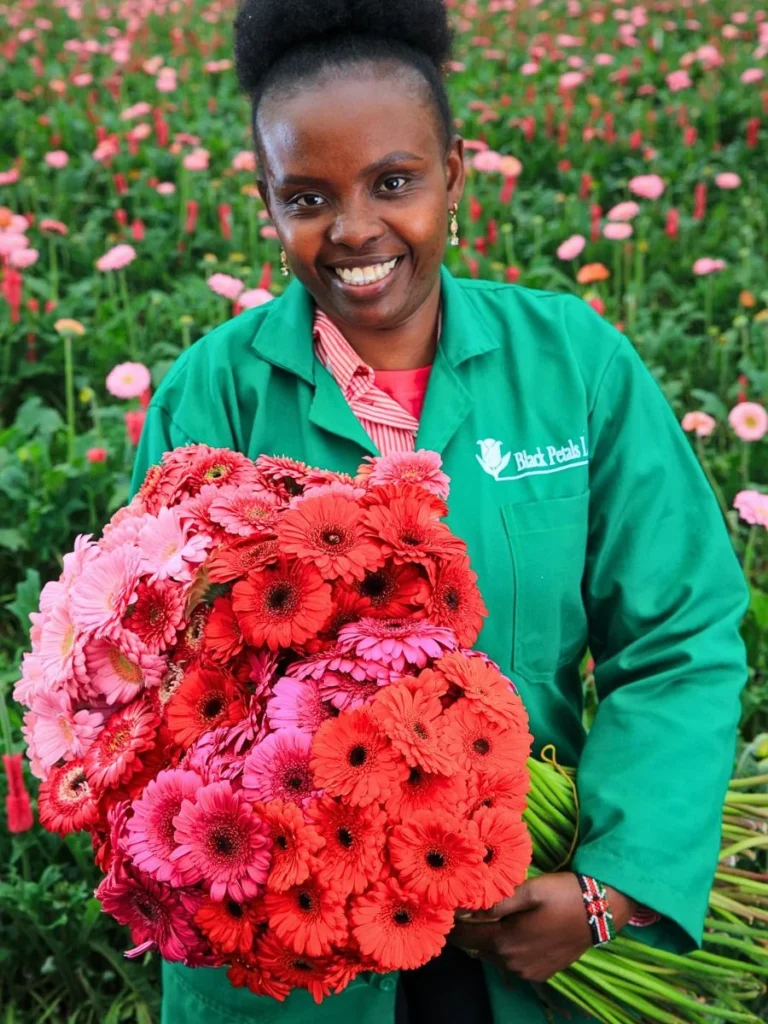
The companies that manage these transitions well will be those that recognize the value of their existing people while bringing in the additional skills needed for the next stage of their development.