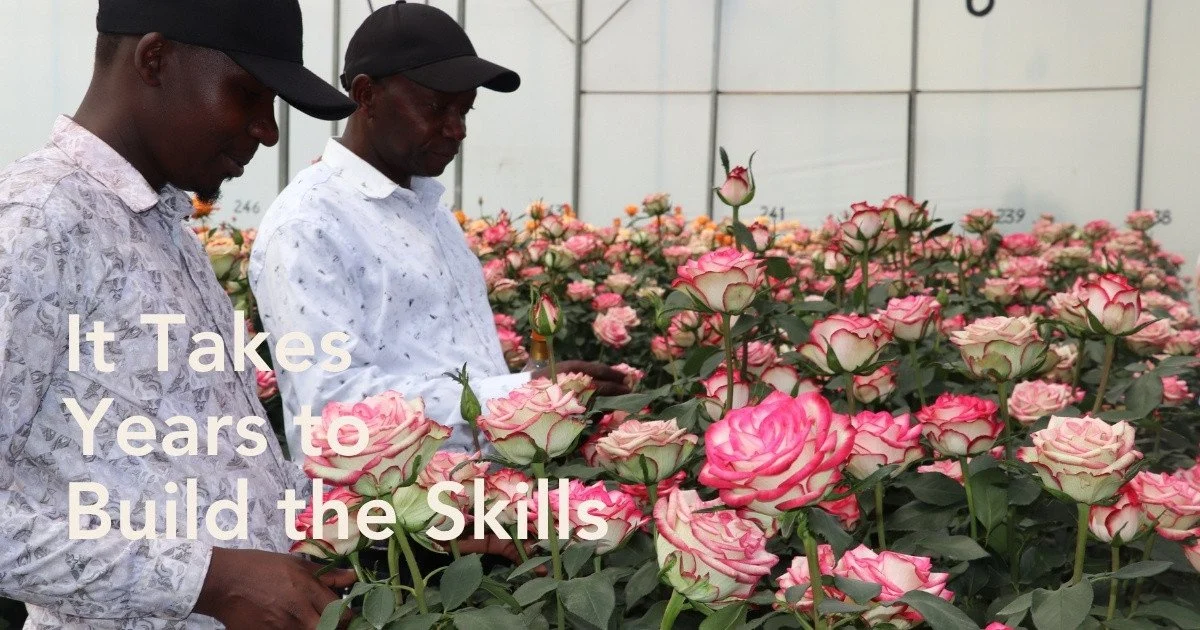
Floriculture is a specialist industry. Many people outside the sector underestimate how much knowledge is needed to run a flower farm well. A good grower needs to understand the crop, the climate, disease pressure, labor planning, harvest timing, and buyer expectations. A strong packhouse manager needs to manage speed and quality at the same time. A farm manager needs to bring technical knowledge, people management, and commercial discipline together in one operation.
These skills take years to build. They are also not always easy to replace. When a strong grower, supervisor, or manager leaves a farm, the company does not only lose a job title. It also loses practical knowledge, routine, internal trust, and often part of the team culture. In an industry where small mistakes can quickly affect quality or delivery, that loss can be felt almost immediately.
A Competitive Talent Market
Across East Africa, retaining good people is becoming more important. The flower sector is mature in some countries and still developing in others, but competition for strong talent is increasing across the region. Farms are becoming more professional. Buyers are asking for more as production becomes more technical. At the same time, good people have more options than before.
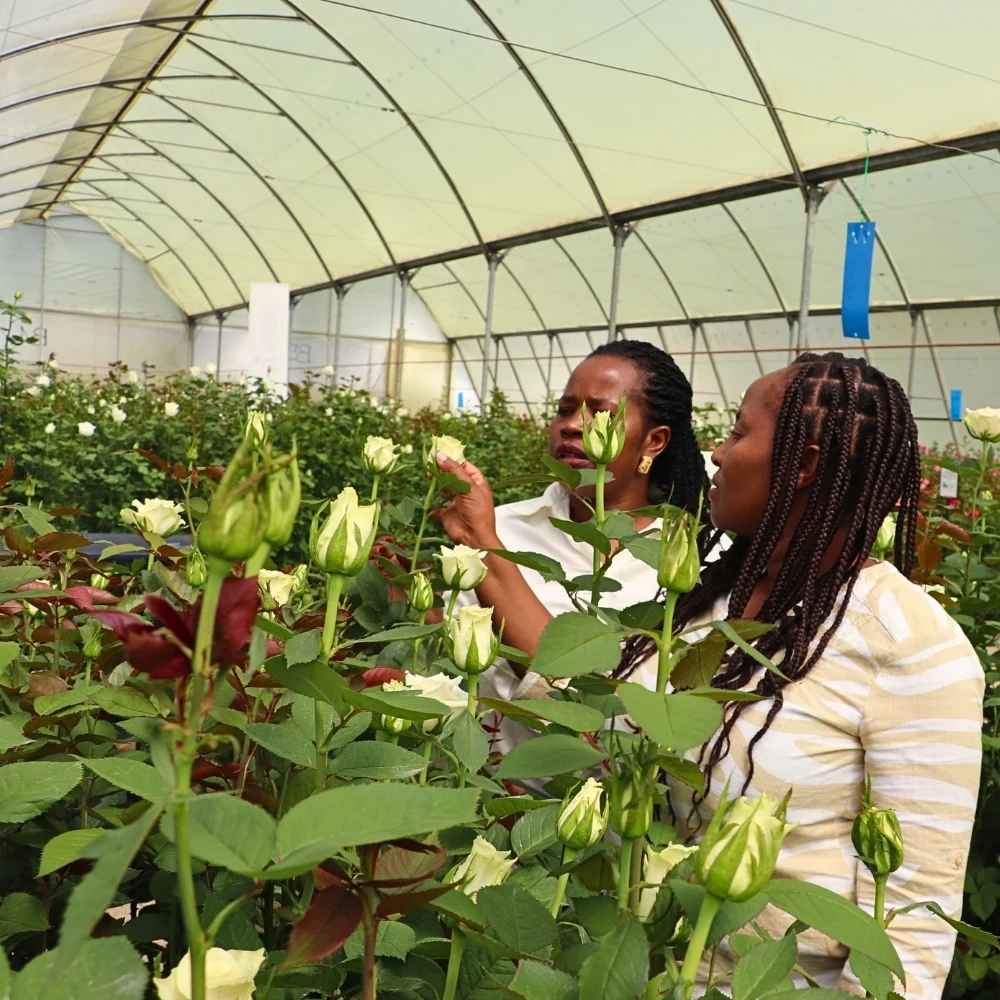
Kenya has one of the strongest floriculture talent pools in the region. Many professionals have experience with large-scale production, export standards, international buyers, and demanding farm environments. That makes the market strong, but also competitive. Good growers and strong middle managers are often known by several companies. They may not actively look for a new role, but they are visible.
Ethiopia has also developed a serious floriculture sector, with local professionals who have built valuable experience over the years. At the same time, some companies find it harder to attract expatriate candidates to certain locations. Political and security concerns can influence whether international candidates are open to moving. This makes it even more important for companies to invest in local teams and keep the people who already understand the business.
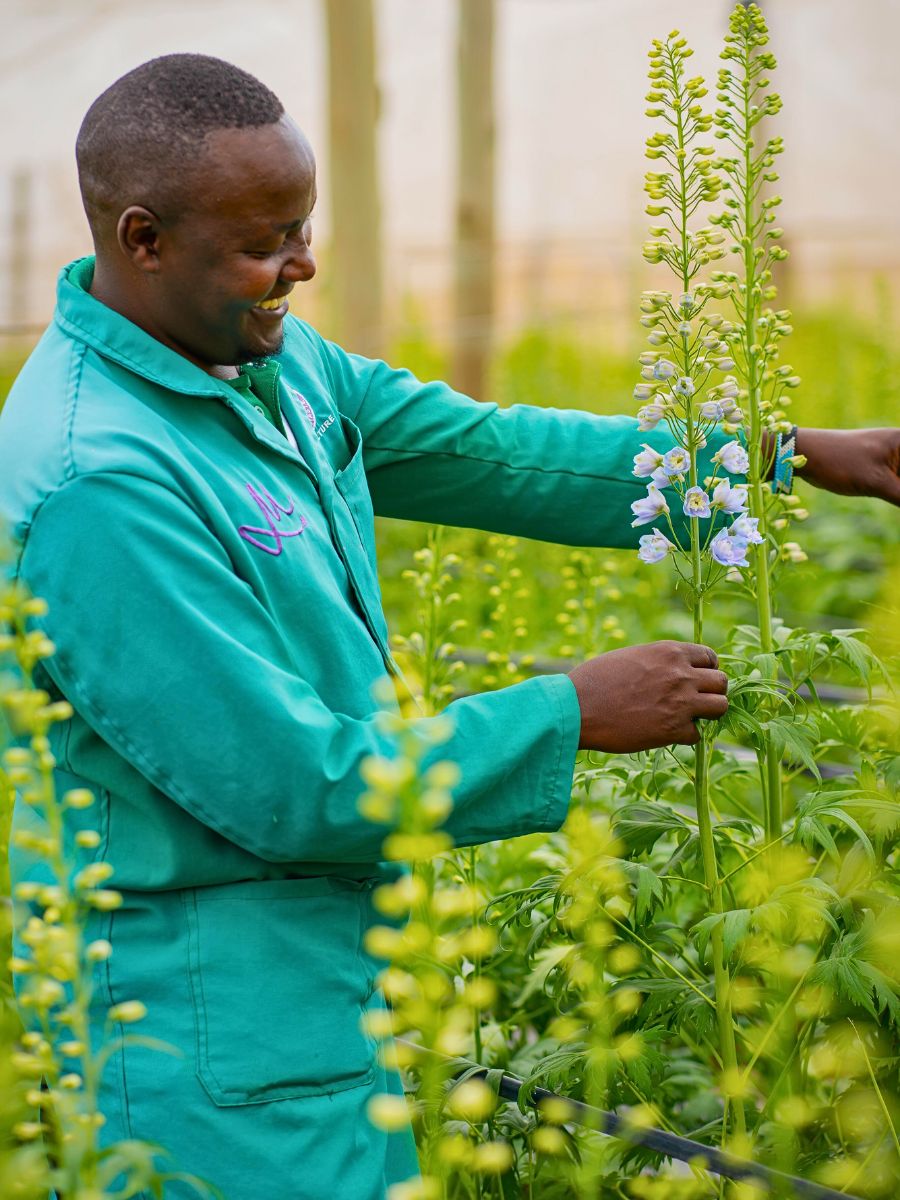
The wider East African region also plays a role. Uganda, Zambia, and other countries may not always have the same depth of floriculture talent, but they do have strong agricultural professionals. Depending on the role, people from broader agriculture can sometimes move into floriculture successfully. That can be useful for positions in operations, finance, HR, sustainability, logistics, or commercial management. For highly technical grower roles, the transfer is usually more sensitive.
Transferable Skills Need to Be Understood Properly
Floriculture companies often prefer candidates who come directly from flowers. In many cases, that makes sense. A rose grower, propagation specialist, or technical production manager needs knowledge that is very specific to the crop and production system. The pace of the industry is different from that of many other agricultural sectors. Export pressure is constant, and quality standards leave little room for mistakes.
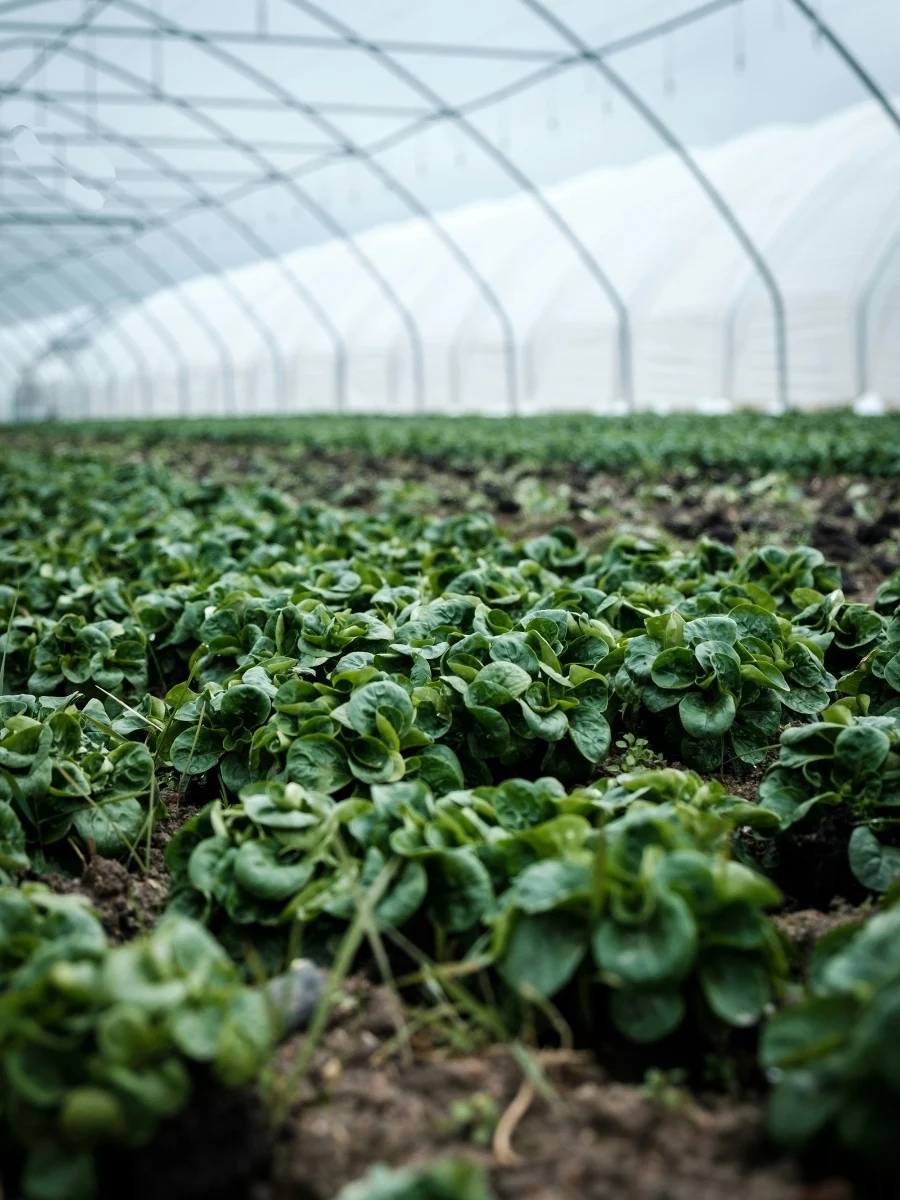
At the same time, the industry should not look too narrowly. Related sectors such as vegetable production, seed production, biological crop protection, irrigation, plant health, and agro-inputs can produce very strong candidates. Some of these professionals are used to technical growing environments, strict protocols, trial work, residue requirements, quality systems, and commercial pressure.
The important question is not only where someone has worked before. It is what they have actually done. A recruiter and employer need to understand the crops, team size, level of responsibility, reporting structure, location, and type of pressure behind the CV. Some skills transfer well while others need time, training, and support.
Mistakes can happen on both sides. A company may reject a good candidate because the person does not come from the same crop. Another company may hire someone from a related sector without checking whether the person can handle the reality of a flower farm. Both situations can lead to missed opportunities or poor retention.
Retention Starts During Recruitment
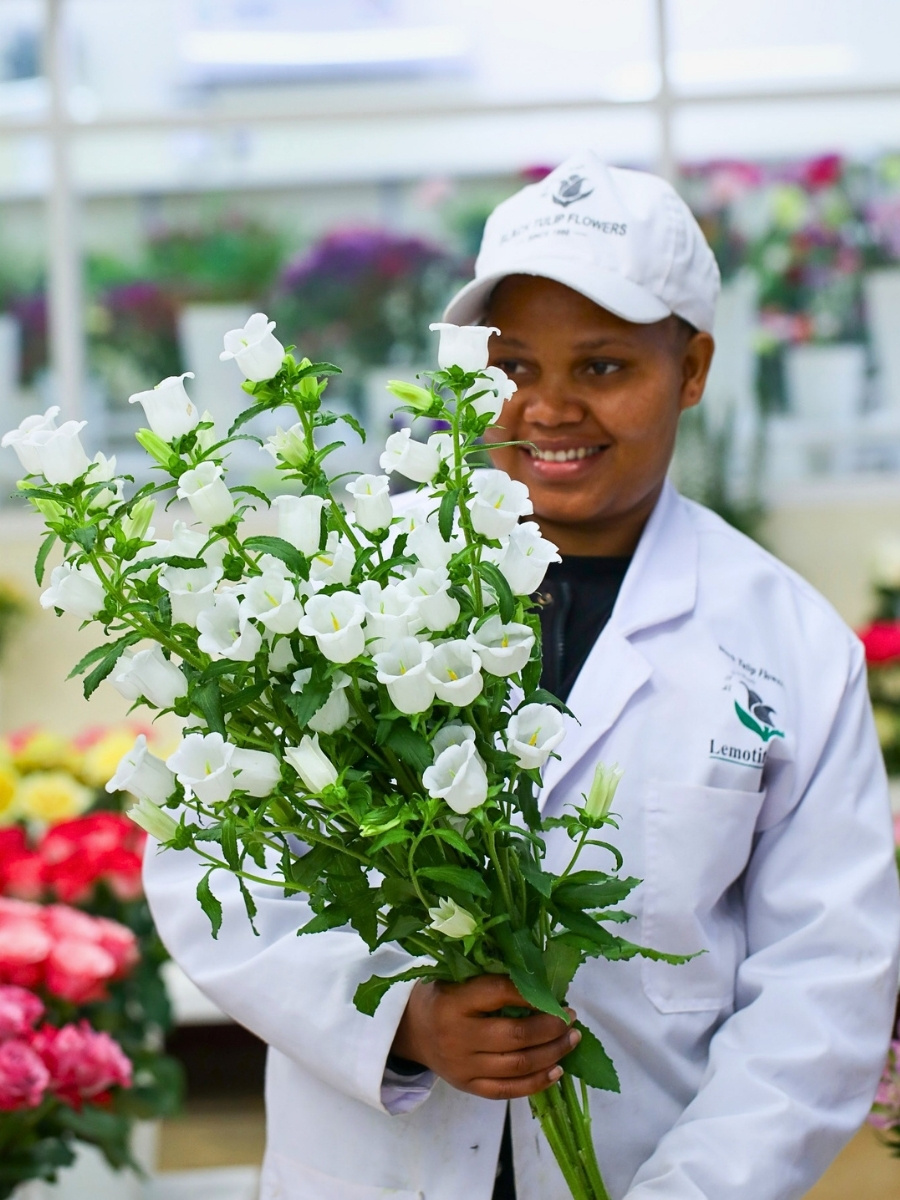
Many retention issues start before someone joins the company. A candidate may have the right technical background, but the wrong motivation. Someone may accept an offer because the salary is attractive, but not because the role is a good long-term step. Another candidate may like the title, but not fully understand the farm location, reporting line, or daily pressure of the job.
In floriculture, this matters. Many roles are based on farms or close to production sites. The work is practical, and decisions are made quickly. Managers need to work with different levels in the organization, from senior leadership to supervisors and workers on the ground. A person who looks strong on paper may still struggle if the environment does not fit.
A good recruitment process should therefore look beyond experience. It should test motivation, expectations, and cultural fit. Why is the person interested in this company? What kind of management style does the person have? How does the candidate deal with pressure? Is the person looking for a quick move or a longer-term career step?
Clear communication also helps retention. Candidates should understand the role before they accept it. The salary package, location, growth path, company culture, and expectations should be discussed honestly. When expectations are wrong, people leave faster. When expectations are clear, both sides make a better decision.
Internal Promotion Is Still One of the Strongest Retention Tools
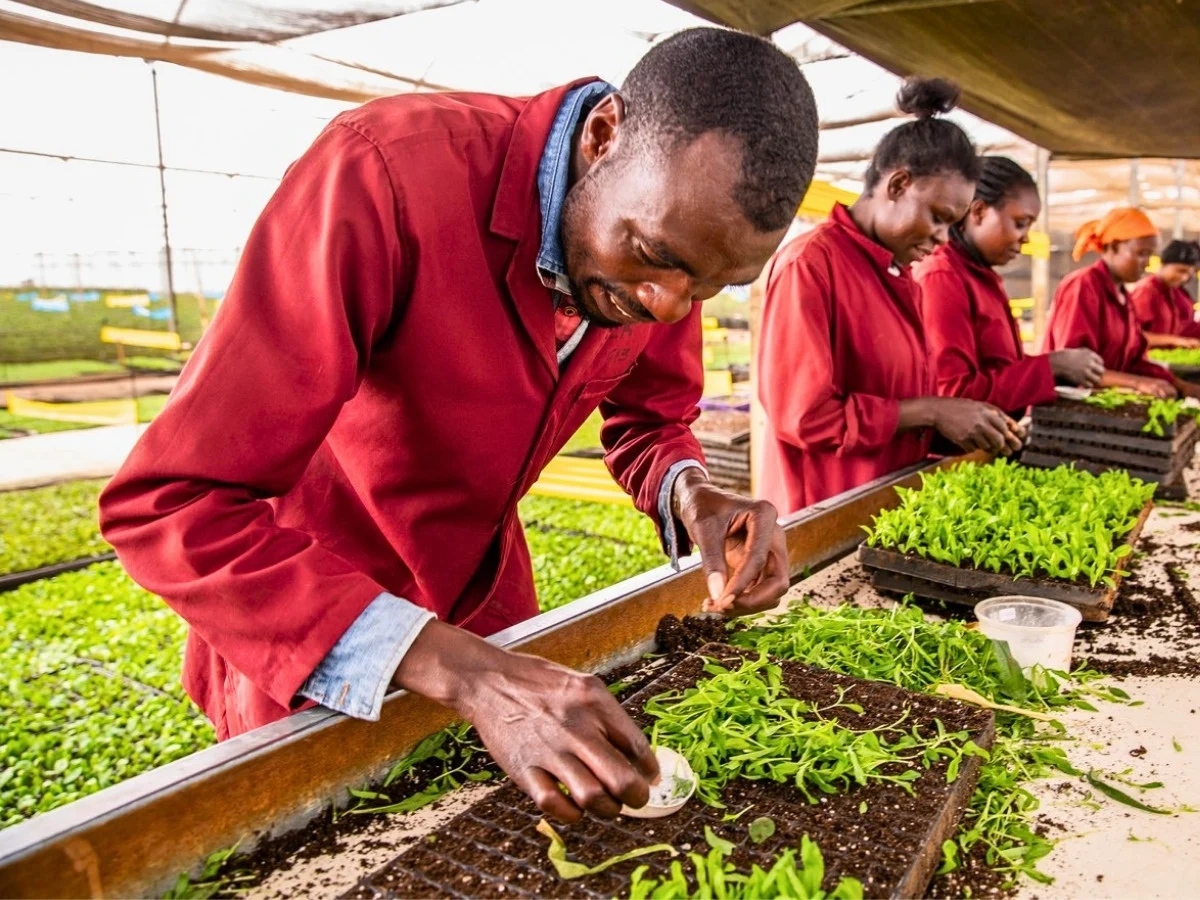
Many flower farms already have good people inside the business. They may be supervisors, assistant growers, or junior managers. These people know the farm, the crop, the team, and the pressure points of the operation. In many cases, they are already carrying more responsibility than their title suggests.
The risk is that they are not always developed to the next level. When talented employees do not see a future inside the company, they may start listening to other offers. Sometimes people do not leave because they are unhappy with the company. They leave because they do not see a clear path forward.
Internal promotion does not mean promoting people too quickly. It means identifying potential early and giving people the right support. A strong supervisor may need training in planning and communication. A junior grower may need more exposure to reporting, trials, and technical decision-making. A young manager may need coaching in leadership and team management.
This takes time, but it builds loyalty. People are more likely to stay when they feel the company is investing in them. It also helps international companies build a stronger local management layer. That can reduce dependency on expatriates and create more stability in the organization.
Culture Decides Whether People Stay
Salary is important in any competitive talent market. Flower companies need to be realistic about compensation, especially when they compete with related sectors that may have higher margins or stronger salary packages. But salary alone is rarely enough to keep good people for the long term.
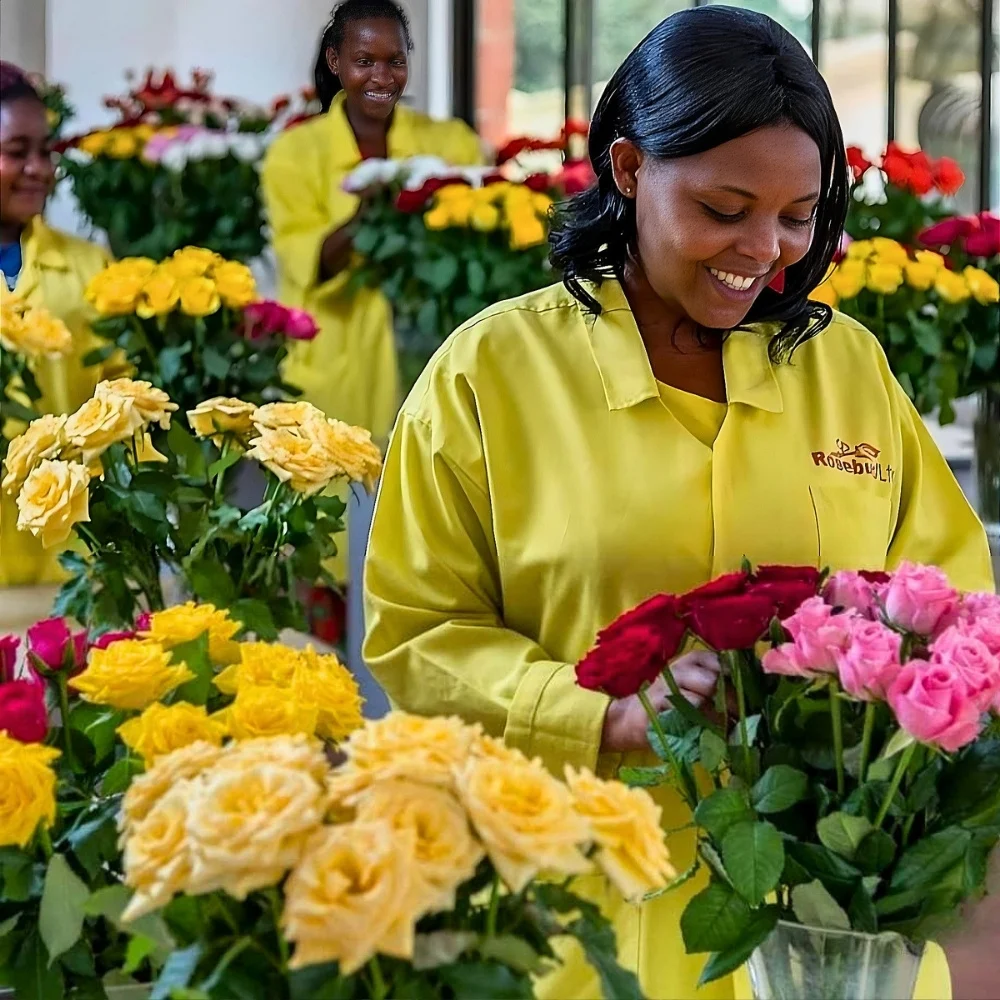
Culture matters a lot in floriculture. People want clear communication, fair management, and trust from leadership. They want to know what is expected of them. They want feedback. They want to feel that good performance is recognized. This is especially important for younger professionals, who often look at career development differently from the previous generation.
There is also a generation difference in management style. Many senior leaders in the flower industry built their careers through practical experience and hard work over many years. That knowledge is extremely valuable. Younger managers may bring more interest in data, technology, communication, and structured development. Strong companies find a way to combine both.
For international flower companies in East Africa, culture needs extra attention. The company may have international standards, reporting lines, and expectations, but the daily reality is local. The best teams often work well because there is trust between local managers, expatriate leaders, and the head office. Without that trust, people may stay for a while, but they are less likely to build a long-term future with the company.
Recruitment and Retention Belong Together
Recruitment should not be seen only as filling an empty position. In a specialist sector like floriculture, the quality of hiring has a direct impact on retention. Hiring the wrong person can create instability, while hiring the right person can strengthen a team for years.
Companies should think carefully about the profile they are looking for. Some roles require deep floriculture experience. Other roles may benefit from people from related agricultural sectors. Some vacancies should be filled externally. In other cases, the best long-term solution may be to promote someone internally and recruit around that person.
At Leopard Recruitment, we see these questions every day in the East African agriculture and floriculture market. We speak with managers, candidates, and companies across Kenya, Ethiopia, Uganda, and Zambia. That local presence helps us understand not only who is available, but also who is likely to fit a specific farm, company culture, and long-term direction.
For flower farms, keeping good people will only become more important. The industry is technical, competitive, and international. Strong teams are not built by recruitment alone. They are built by hiring carefully, developing people internally, and creating a culture where good employees can see a future.
In a sector where knowledge takes years to build, retaining the right people is one of the most practical advantages a flower company can have.
Featured: @blacktulipgroup